
Nature as Medicine: How Chinese Herbal Pharmacology Supports Natural Healing
Dr. Margaret Hampton
In a world where modern medicine often focuses on potency and fast-acting relief, Chinese herbal pharmacology offers a more balanced, time-tested approach to healing.
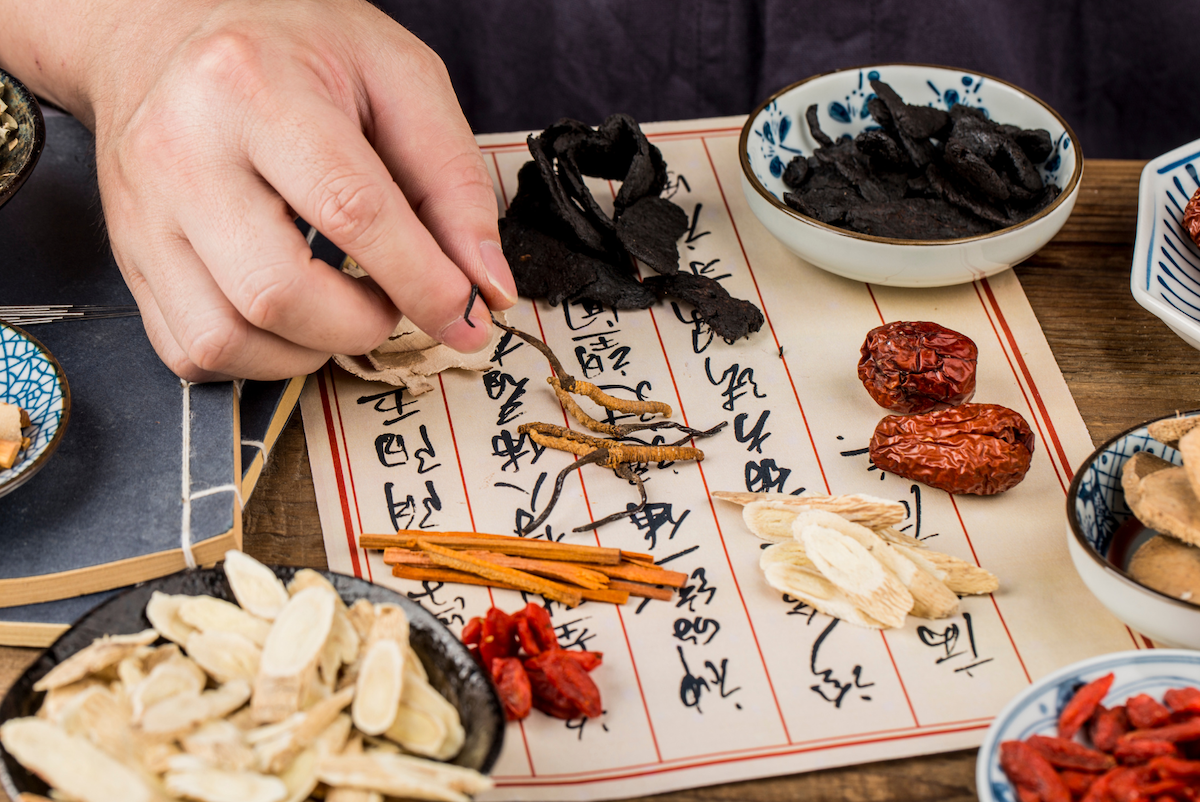
Traditional Chinese Medicine harnesses the medicinal power of plants
What is Herbal Pharmacology?
Herbal pharmacology is the study and use of plant-based medicines to support health and healing. It draws on traditional systems and modern science to understand how herbs interact with the body, helping to address imbalances, support organ function, and promote overall wellness in a more natural, holistic way.
What are Phytochemicals?
Phytochemicals are naturally occurring compounds found in plants (fruits, vegetables, herbs) that help protect them from environmental stress. Phytochemicals can have antioxidant, anti-inflammatory, and immune-regulating effects when consumed.
What are Pharmaceuticals?
Pharmaceuticals are medications developed through scientific research and manufactured to diagnose, treat, or prevent disease. They are typically standardized, highly regulated, and designed to target specific symptoms or biological pathways.
Over 50% of pharmaceuticals are derived either directly or biochemically from plants. With Pharmaceuticals, the chemically relevant molecules are isolated and compounded, making them much more potent than the plants they come from. This potency can cause side effects in some people.
Plants as Direct Medicine
On the other hand, whole herbs often limit side effects compared to isolated pharmaceutical compounds because they contain a natural matrix of synergistic and balancing phytochemicals. These phytochemicals can enhance therapeutic effects while modulating absorption, reducing toxicity, counteracting adverse actions of the primary active ingredient, or providing buffering mechanisms. TL;DR: a spoonful of phytochemicals helps the medicine go down, and plants give you both!
When to use Herbal Pharmacology
When pharmaceuticals don’t work with your body or the side effects are too difficult, before you lose hope - look to the plants!
For example, Celebrex (a prescription NSAID) is widely used for pain and inflammation. It should only be used for a short duration of time, as it can be hard on the stomach and duodenum. It is a Cox-2 inhibitor, thus helping “cool” the body down when it’s stuck in an inflamed state due to ongoing illness, such as Long Covid. There are several Chinese herbs that are Cox-2 inhibitors, such as salvia, scutellaria, coptis, and forsythia. These herbs can be used to treat pain and inflammation naturally.
Even more wonderful, is that Herbal Pharmacology has been studied for over 2,000 years with enormous research on how to combine herbs to enhance the effects while treating underlying imbalances of the body. In short, if drugs don’t work for you - there are other options!
“Returning to the source is stillness, which is the way of nature. The way of nature is unchanging.”
– Tao Te Ching
Margaret Hampton has her Doctorate in Acupuncture and Chinese Medicine. She is board-certified by the NCCAOM as a Diplomat in Oriental Medicine which includes Acupuncture, Chinese Herbalism, and Nutrition.